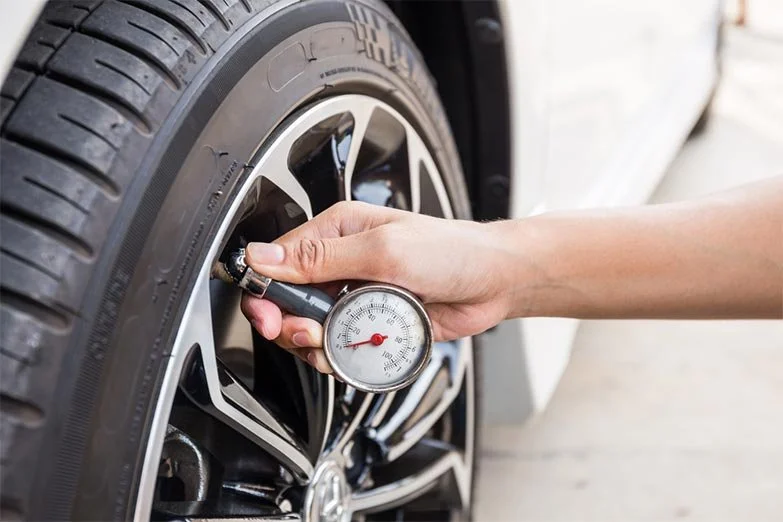
Understanding Tire Pressures: What You Need to Know for Winnipeg’s Climate
Proper tire pressure is essential for safe driving, fuel efficiency, and long tire life. In a city like Winnipeg, where temperatures swing dramatically between summer heat and extreme winter cold, keeping your tires properly inflated is especially important.
Why Proper Tire Pressure Matters
Maintaining the correct PSI helps:
Improve traction and braking
Reduce tire wear
Increase fuel economy
Prevent premature tire damage or blowouts
Ensure your vehicle handles the way it was designed to
Recommended Tire Pressure Ranges
Most passenger vehicles, SUVs, and light trucks fall within 32–36 PSI, but always follow the exact PSI listed on your driver’s door jamb or in your owner’s manual.
Winnipeg Summer Tire Pressure Estimates
Summer heat naturally raises tire pressure as you drive. For most vehicles in Winnipeg’s warmer months:
Aim for 32–35 PSI
Check pressure at least once a month to avoid overinflation
Always measure PSI when the tires are cold (parked for a few hours)
Winnipeg Winter Tire Pressure Estimates
Cold weather lowers pressure roughly 1 PSI for every 5–6°C drop, which means Winnipeg winters can deflate tires quickly. To compensate:
Aim for 34–38 PSI, depending on your vehicle’s recommended range
Check pressure every 2–3 weeks during deep cold snaps
Expect to add 2–4 PSI in winter to maintain proper inflation
These adjustments help counteract the significant pressure loss caused by temperatures that regularly drop below –20°C.
When to Check Tire Pressure
Monthly, year-round
During large temperature swings
Before long trips
When your TPMS warning light turns on
Remember: always check tire pressure when tires are cold for an accurate reading.
Winnipeg’s climate makes tire pressure maintenance especially important. Keeping your tires at the right PSI improves safety, extends tire life, and ensures your vehicle performs its best in all seasons.